
Multi-market
01APAC is not one commercial space story
China, Japan, India, Southeast Asia, and Australia are moving at different speeds across launch, satellites, and regulation.
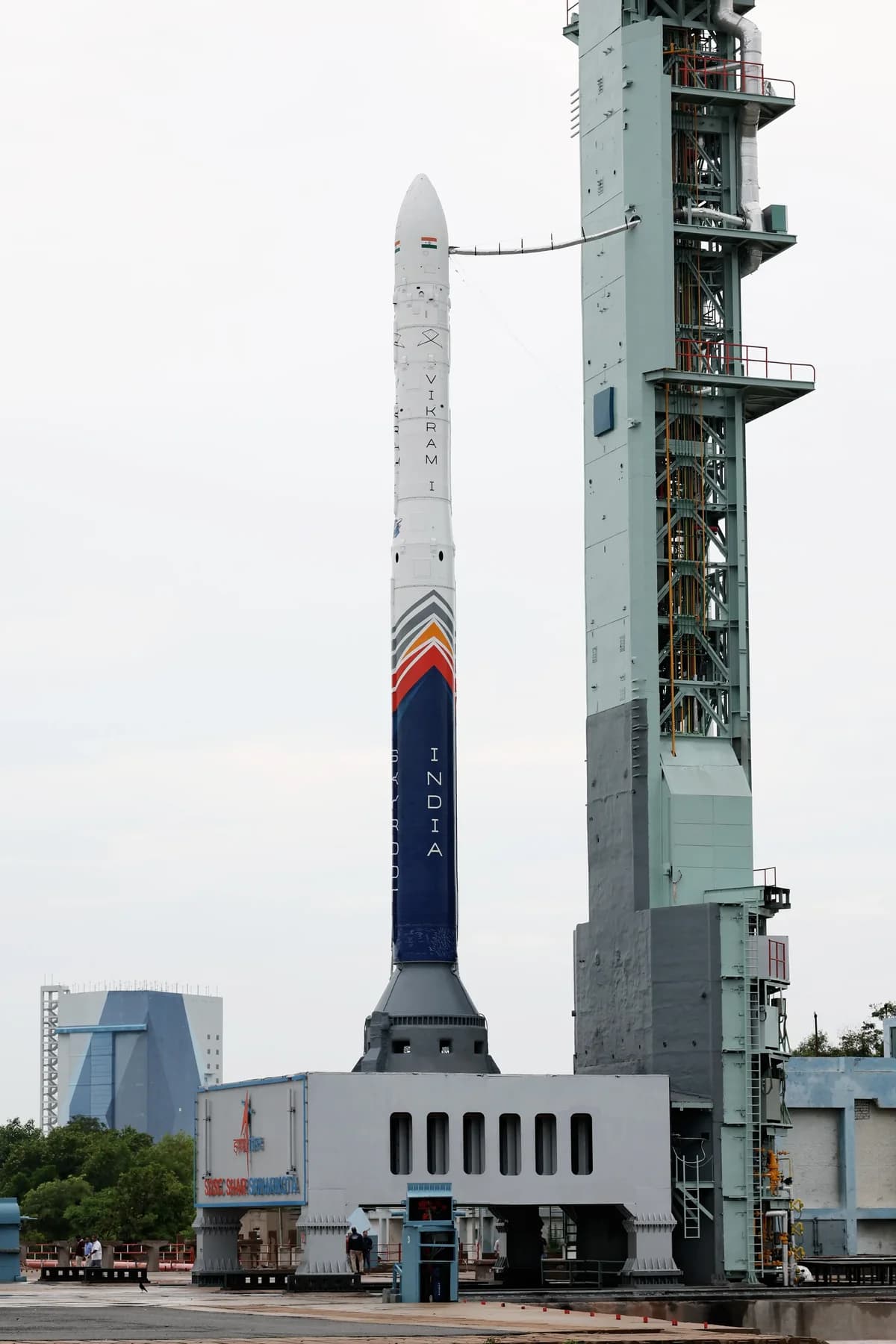
Singapore · APAC Space Economy · Research Notebook
Independent analysis on launch markets, satellite supply chains, regulation, and Singapore's role in regional commercial space.
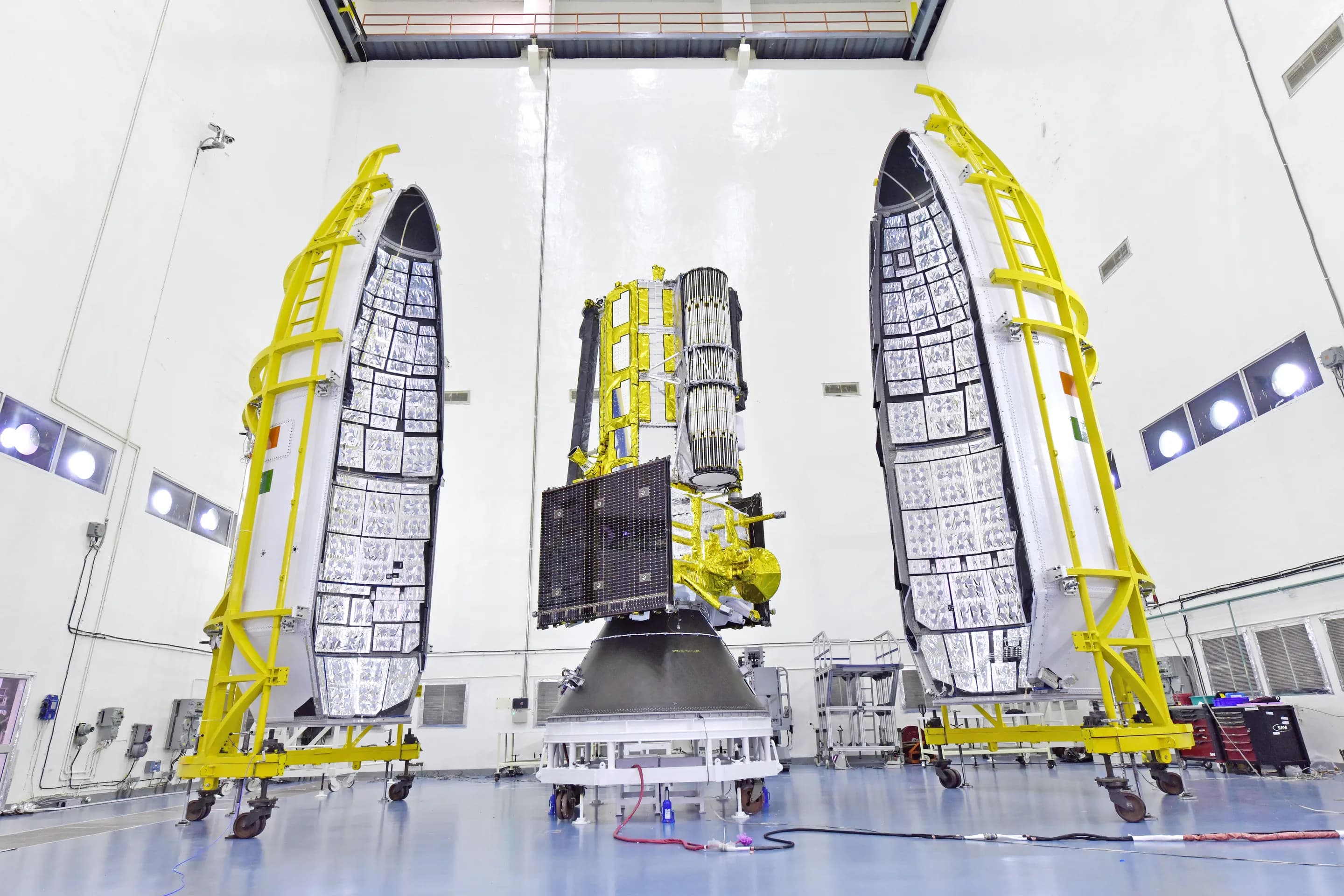
IMAGE ISRO · GODL-India
Insights
Start with the newest work, or browse the full archive by research theme.
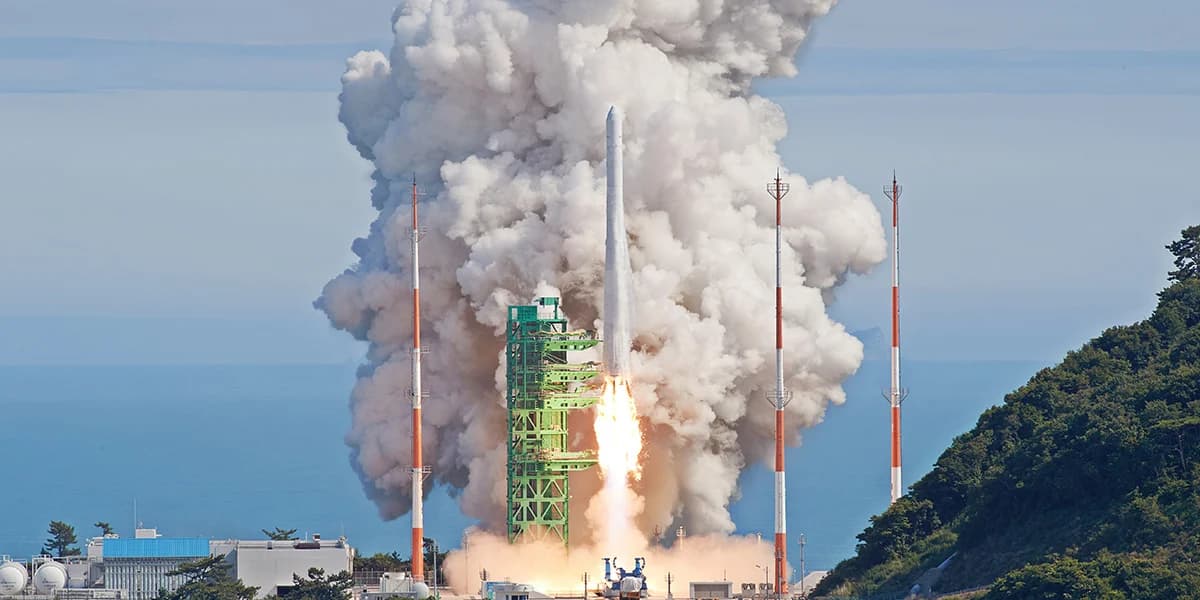
20 Sept 2026 · 23 min read
Hanwha has the institutional advantage, Innospace the clearest export path. A mission-by-mission review and operating model show what Korean launch startups still need.
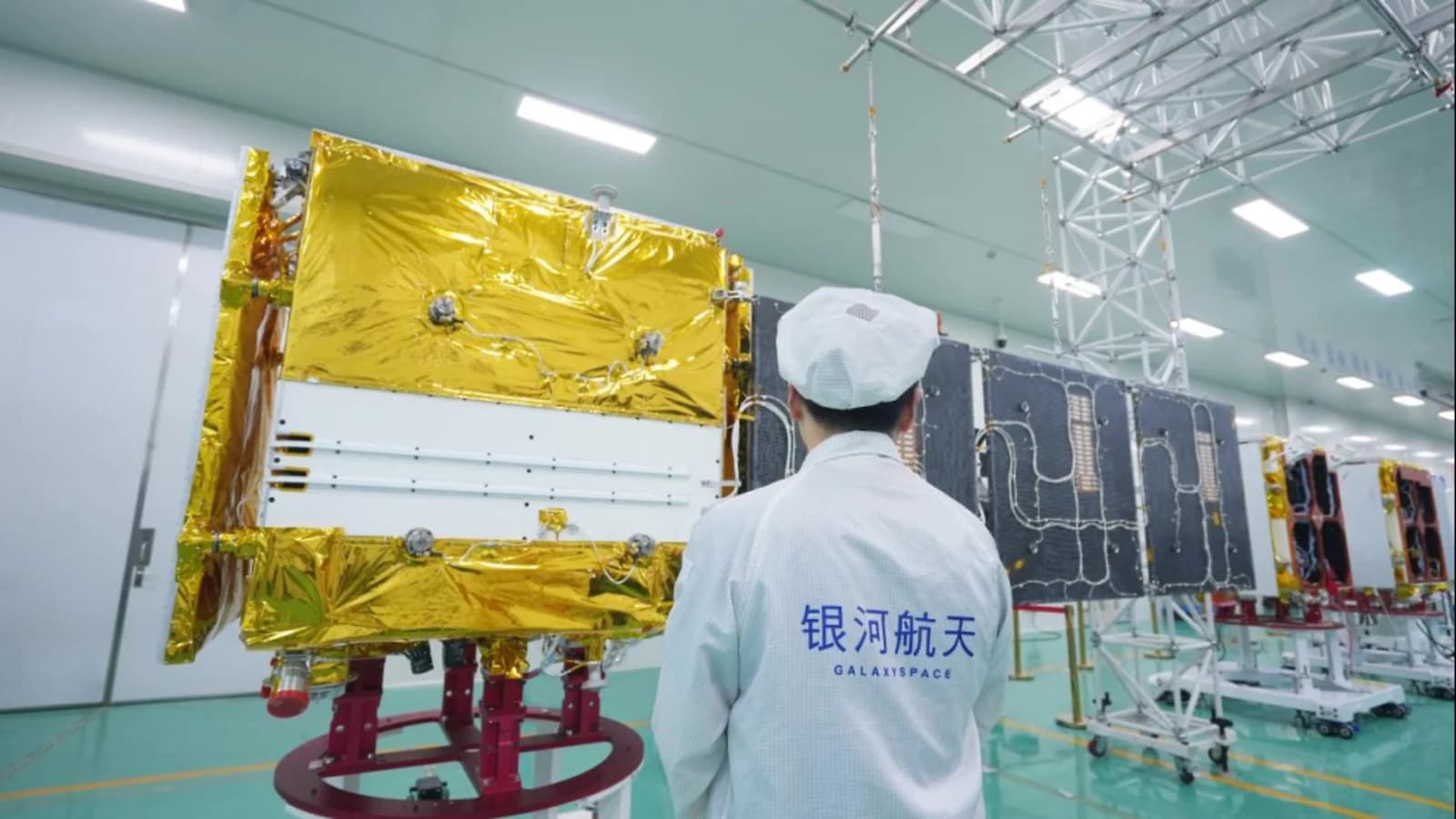
28 Aug 2026 · 48 min read
China has built real satellite factories, but GW, Qianfan, and Honghu-3 still must convert state-backed capacity into launch cadence, revenue, and repeat exports.
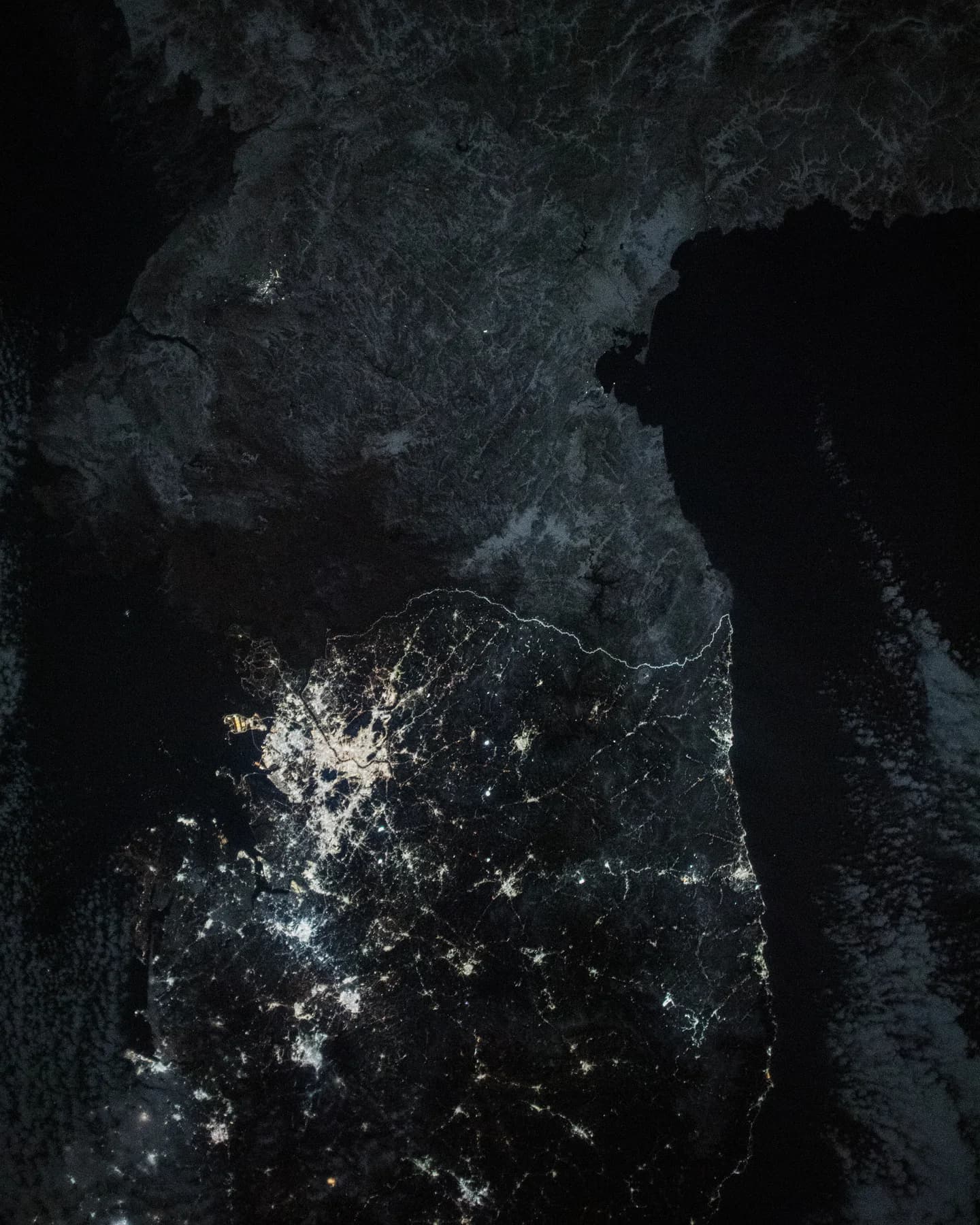
23 Aug 2026 · 59 min read
Korea opened the market to Starlink and OneWeb, then committed to a sovereign constellation whose defense case is far stronger than its commercial one.
Browse more essays and continuing coverage by theme

WHY NOW
Launch, manufacturing, regulation, and demand move at different speeds across China, Japan, India, Southeast Asia, and Australia. A single regional narrative obscures more than it explains.
Multi-market
01China, Japan, India, Southeast Asia, and Australia are moving at different speeds across launch, satellites, and regulation.
Convergence
02What changes the market is rarely one technical milestone on its own. It is when manufacturing depth, licensing, and demand begin shifting at the same time.
Observation Point
03Capital access, regulatory clarity, and regional connectivity make it a useful place to track how APAC commercial space is actually changing.
THEMES
From orbital compute to regional regulation, these four themes organize the notebook's articles, market notes, and continuing research.
Browse the full Research Index→IMAGE ISRO, Department of Space, Government of India · GODL-India
Whether you are a researcher, operator, investor, or journalist — if you are tracking the same signals or have something worth discussing, feel free to reach out.
Continue →Frequently Asked
Singapore Space Agency is an independent research site led by Dylan and based in Singapore. It publishes original English and Chinese analysis of APAC commercial space, launch markets, satellite industries, supply chains, and regulation.
No. Singapore Space Agency operates independently and is not affiliated with the Government of Singapore or any government agency. Singapore's official space body is the National Space Agency of Singapore (NSAS).
The work follows four long-term themes: orbital compute, LEO connectivity and country markets, supply chains and manufacturing, and regulation with a Singapore lens. Each article separates its core judgment, public evidence, and remaining uncertainty.
Singapore connects regional capital, regulation, partnerships, and cross-border operations. That makes it a practical base for comparing the distinct market rhythms of China, Japan, India, Southeast Asia, and Australia.
It is written for space-industry operators, procurement and investment teams, researchers, policy and regulatory professionals, journalists, and other serious readers of the APAC commercial space economy.
Articles prioritize government documents, regulatory materials, company disclosures, and verifiable primary data, with sources listed on each page. Facts, company claims, original estimates, and forward judgments are separated wherever possible. Material new evidence, rule changes, and factual errors can trigger a dated update, and readers can submit sources or correction requests through the site contact details.
Subscribe
Deep research on APAC commercial space, delivered when it's ready — not on a schedule.