
South Korea's Launch Startups: Hanwha Gets the Manifest
Hanwha has the institutional advantage, Innospace the clearest export path. A mission-by-mission review and operating model show what Korean launch startups still need.
Method & disclosure
Confidence: Medium to high (based on public sources and cross-checking; some timelines, figures, and judgments may change as new disclosures emerge)
Review mode: AI editorial and primary-source cross-check
Writing support: AI assisted
Singapore Space Agency
On this page · 10
- 011. The 90-Second Summary
- 022. Hanwha gets a production run
- 033. Innospace has customers. Now it has to deliver.
- 044. Perigee's hardware deserves a more exact test
- 055. Unastella can earn its next step below orbit
- 066. Count missions that can actually move
- 077. What would a viable flight rate look like?
- 088. The state can buy competition in small quantities
- 099. What would change the judgment
- 1010. Singapore should evaluate the mission, not the flag
Key findings
The argument in brief
- Nuri repeat procurement gives Hanwha a structural advantage; published policy does not establish exclusivity over every Korean payload.
- Innospace has a credible export order book but must turn its next flight into repeat customer delivery.
- Perigee’s sounding-rocket history and Unastella’s pressure-fed first vehicle must be distinguished from their orbital ambitions.
- Illustrative operating break-even ranges from five to twenty paid flights a year; contribution margin and contract terms determine the viable cadence.
South Korea is giving its national rocket a repeat customer. Its launch startups still have to find their own. Hanwha has the strongest route to institutional flight orders; Innospace has the clearest export business; Perigee and Unastella are building capabilities whose value may emerge before an orbital service does. The decisive question is how much paid work sits between those two markets.
Read alongside Korea's satellite-internet market and Japan's launch startups.
Independent analysis of public agency records, company disclosures and named contracts. Vehicle performance targets remain targets until demonstrated. The operating model below is a sensitivity exercise, not a forecast of any company's finances.
1. The 90-Second Summary
The most valuable asset in Korean launch is becoming a schedule. KASA's 2026 work plan proposes buying repeated Nuri launches for public satellites from 2029. Hanwha Aerospace already integrates Nuri and is the industrial prime for its successor, KSLV-III. That gives Hanwha an advantage a startup cannot reproduce by building a cheaper engine.^[1]^[2]
But a national programme is not a closed national market. KAIST's NEONSAT-1A went up on Electron in January 2026, even while Korea was preparing Nuri to carry five other NEONSAT spacecraft. The allocation follows mission needs and available vehicles as well as industrial policy.^[1]^[3]
Among the startups, Innospace has taken the largest commercial risk: foreign customers, a Brazilian launch operation and an orbital attempt. Its December 2025 Hanbit-Nano mission failed; a separate SEBIT suborbital test ended early in August 2026. Perigee has flown a small sounding rocket, but its advertised 200 kg orbital service remains unproven. Unastella has conducted a domestic suborbital flight and raised ₩61.5 billion; its first vehicle used pressure-fed propulsion, despite the company's broader electric-pump development story.^[4]^[5]^[6]^[7]^[8]
The strongest independent orbital business case belongs to Innospace, conditional on reliable delivery. Unastella has a more incremental route through test services. Perigee's launch business needs an integrated flight milestone before its export partnerships can carry much financial weight. None yet demonstrates a domestic manifest capable of paying for sustained orbital operations. That is a procurement problem as much as an engineering problem.
2. Hanwha gets a production run
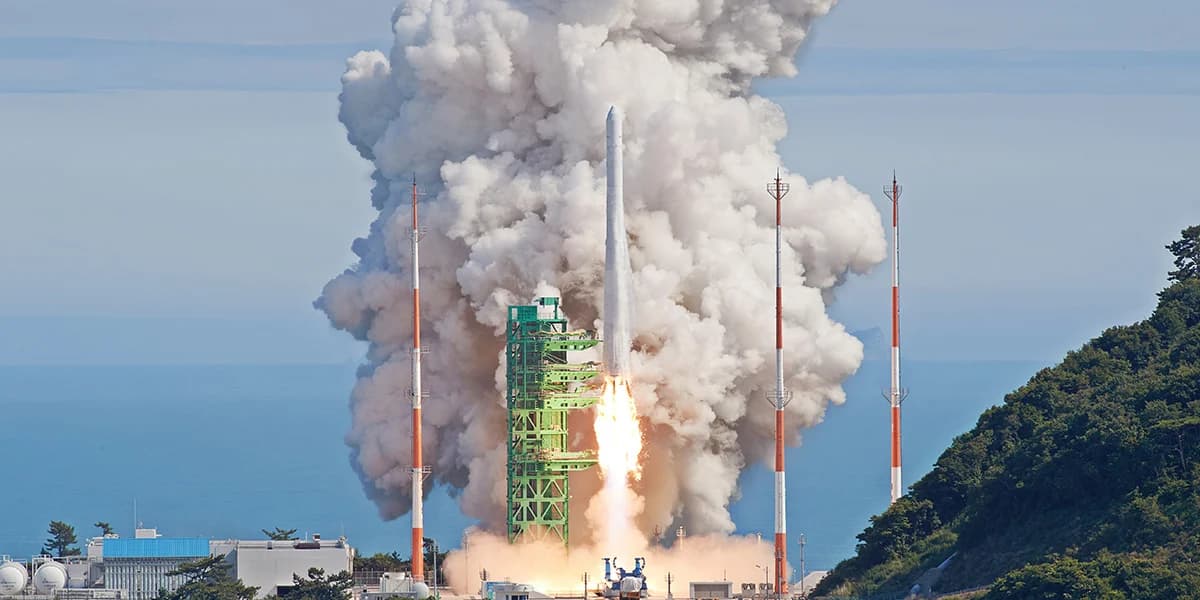
Nuri's fourth mission, on November 27, 2025, carried CAS500-3 and twelve CubeSats to a 600 km sun-synchronous orbit. Hanwha took overall manufacturing and assembly responsibility, while KARI remained involved in launch operations. The distinction matters: Korea is transferring an operating system accumulated over years, with public engineering heritage, suppliers and launch infrastructure attached.^[9]^[10]
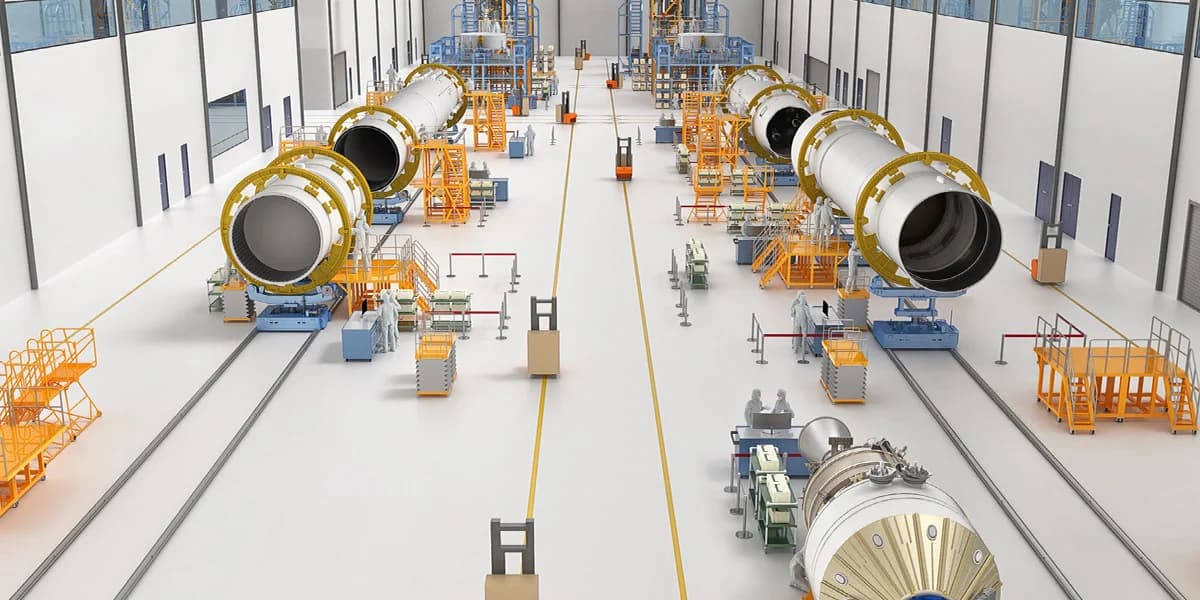
The 2029 block-buy proposal would extend that transfer into a production run. A manufacturer with several flights ahead can order long-lead components, retain assembly staff and spread qualification costs. Each purchase made separately creates another interval in which the factory has to wait. The value of repeat procurement starts well before liftoff.
KASA's plan names Nuri. It does not publish flight prices, minimum quantities, supplier eligibility or a protected share for small launchers. Hanwha therefore has a strong structural advantage, but the document does not establish a legal monopoly over every Korean public payload.^[1]
KSLV-III is a much harder assignment. In December 2025, KASA confirmed the switch to a reusable methane vehicle using a common 80-ton-class engine type across the two stages. The Korean announcement fixes the programme budget at ₩2.29209 trillion, including an increase of ₩278.85 billion. A common engine type does not mean one engine per stage. Nor do the old kerosene design's performance numbers automatically carry over to the redesigned rocket.^[11]
There is a useful industrial logic here: engine commonality can concentrate development spending, production tooling and operational learning. Reusability then adds recovery systems, refurbishment and repeated-flight qualification. Those costs are justified only if enough flights follow. A budget approves the attempt; it cannot guarantee the eventual cost per mission.
Hanwha's group-wide ₩55 trillion space-and-AI investment plan through 2040 shows ambition and breadth. It is not an additional ₩55 trillion launch budget, and adding it to government programme budgets would overstate the resources available to rocket development.^[12] The group also connects launch to satellite payloads and communications partnerships. MDA Space and Telesat have described work with Hanwha on satellite and terminal compatibility, illustrating both the scope of the integration and the continuing need for foreign technology.^[13]^[25]
The risk is comfortable production without competitive pricing. Korea can secure sovereign access to orbit and still produce a launcher that struggles to win export missions. Procurement should buy national access explicitly and measure the price paid for it. Hiding that premium inside a claim of global competitiveness makes improvement harder.
3. Innospace has customers. Now it has to deliver.
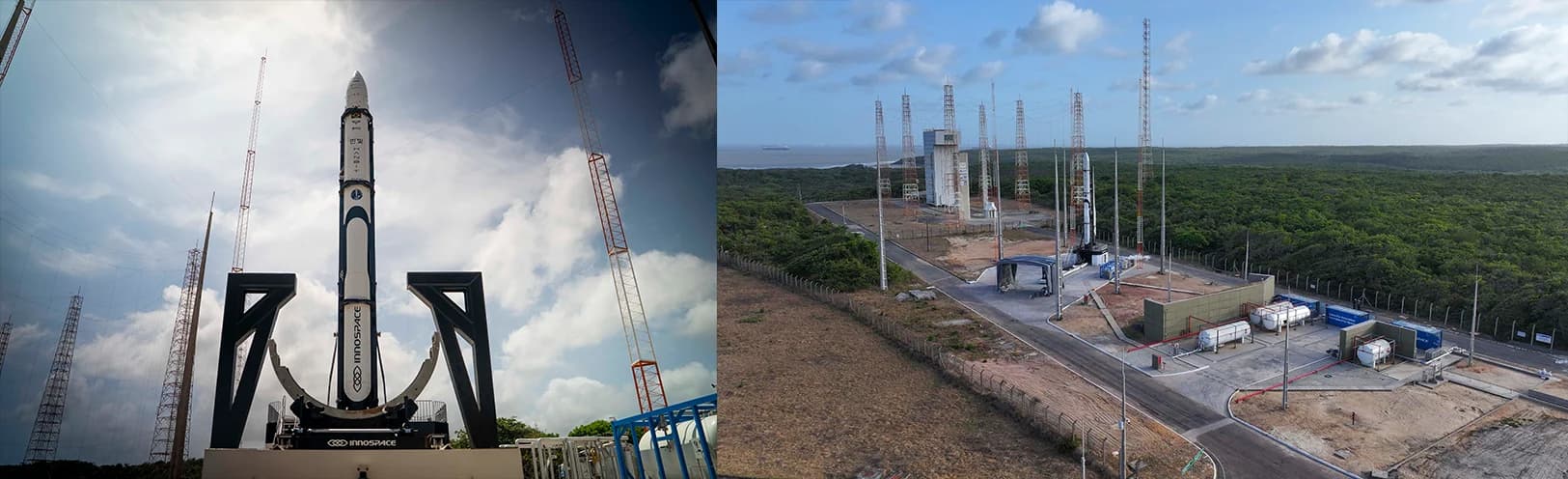
Innospace's decision to operate at Alcântara was commercially sensible. It could develop a launch business around foreign customers without waiting for Korea to open a domestic orbital range to startups. At its 2024 IPO, the company disclosed $12.6 million of contracts with four overseas customers, including Apogeo Space and Brazilian institutions, and described negotiations with 41 prospective customers. Singapore was among the markets it named. These were different categories: signed business on one side, sales prospects on the other.^[14]
A September 2025 agreement with Germany's Media Broadcast Satellite added two HANBIT missions, scheduled for 2026–2028, with an announced value of $5.8 million. MBS also became a German sales channel. That is more useful than an unpriced cooperation announcement, although the disclosed headline does not reveal deposits, termination rights or the cost of delivering each flight.^[15]
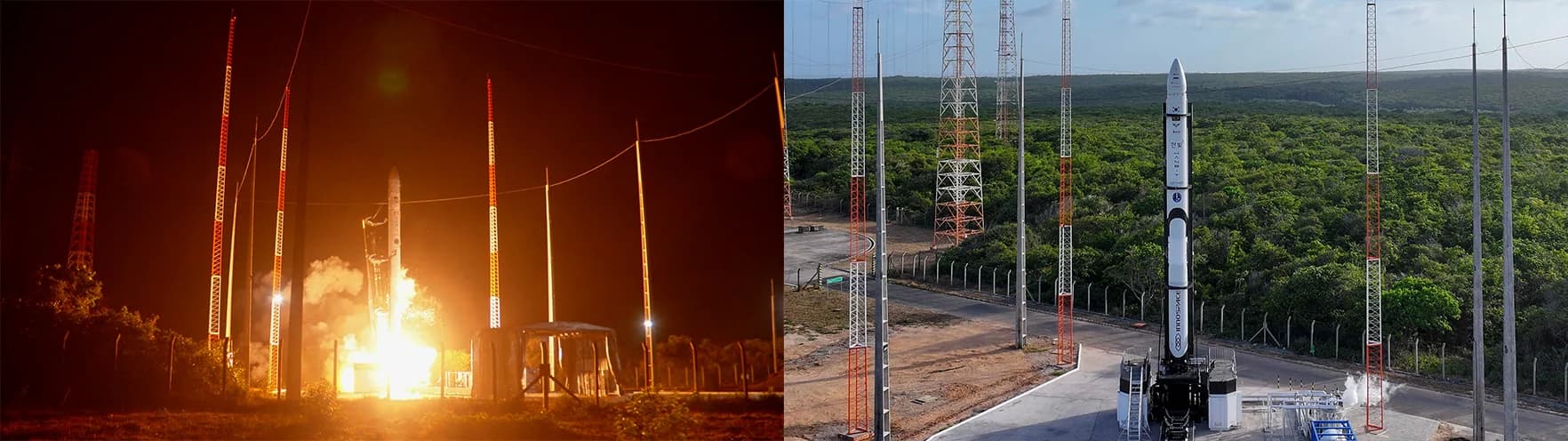
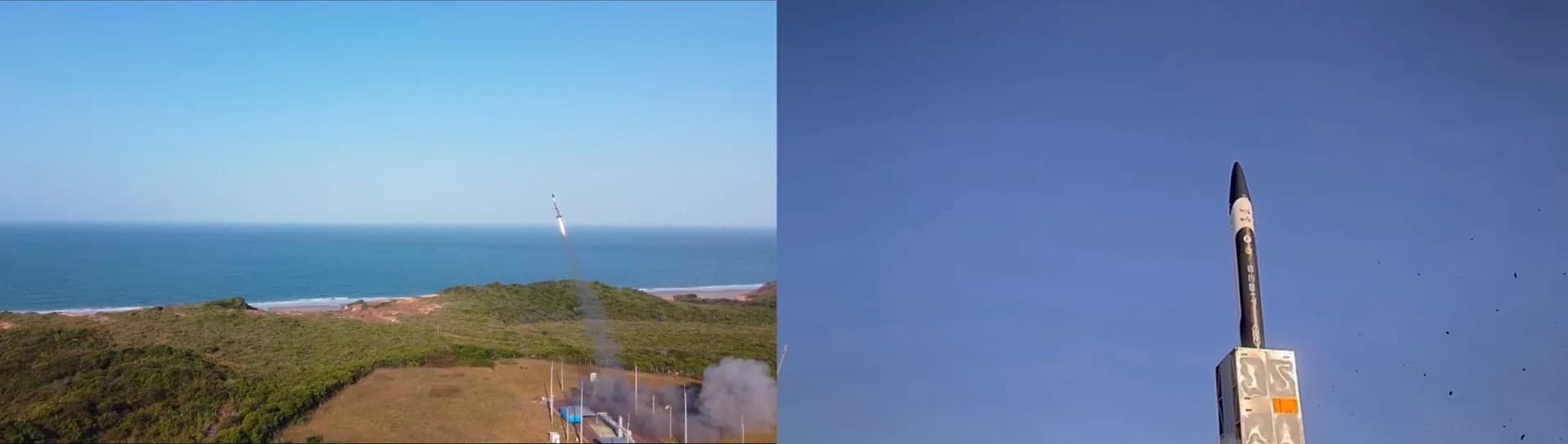
The technical record needs three separate entries. Hanbit-TLV completed a suborbital flight in March 2023. Hanbit-Nano's first orbital attempt, on December 22, 2025 in Brazil, ended after 33 seconds. SEBIT's first suborbital test, on August 19, 2026, was terminated after a trajectory deviation. Calling this company simply zero-for-two would erase the earlier test and conflate two different vehicle programmes.^[4]^[5]^[16]
Innospace's March 2026 account of the joint CENIPA investigation identified gas leakage at the forward end of Hanbit-Nano's first-stage combustion chamber. Reassembly in Brazil had left sealing components insufficiently compressed, with deformation and uneven sealing. The company proposed component changes as well as stronger assembly controls. It would therefore be premature to reduce the finding to a workmanship problem requiring no design changes.^[4]
SEBIT adds a different question. A trajectory deviation describes what happened; it does not, by itself, identify a guidance-software fault or a common cause with Hanbit-Nano. The August disclosure said analysis was continuing. Two early terminations raise the burden of qualification without proving that hybrid propulsion caused either one.^[5]
The follow-up Hanbit-Nano mission was moved from a third-quarter target to November 2026, carrying the company's own InnoSat-0. The published schedule remains conditional on readiness, permissions and range safety. An internal satellite is a sensible validation payload, but it is not delivery of a foreign customer's order.^[17]
A successful reflight would remove a major technical objection to booking Innospace. The next test would be operational: how soon can it launch another customer's satellite, what must be remade after each mission, and how much cash is tied up while it waits? A failure would make fresh financing harder, but there is no public cash-runway model that supports declaring the company dead on a particular launch date.
On September 9, Innospace signed a business-support agreement after selection as a partner of the Gyeonggi Defense Venture Center under KRIT. It gives the company another route toward defence-related work; the announcement supplies no purchase quantity or launch revenue. That is a useful addition to business development, with the same delivery problem still ahead.^[26]
Innospace remains the strongest export candidate because it has done the commercial preparation before proving the rocket. That preparation is an asset only if the engineering catches up.
4. Perigee's hardware deserves a more exact test
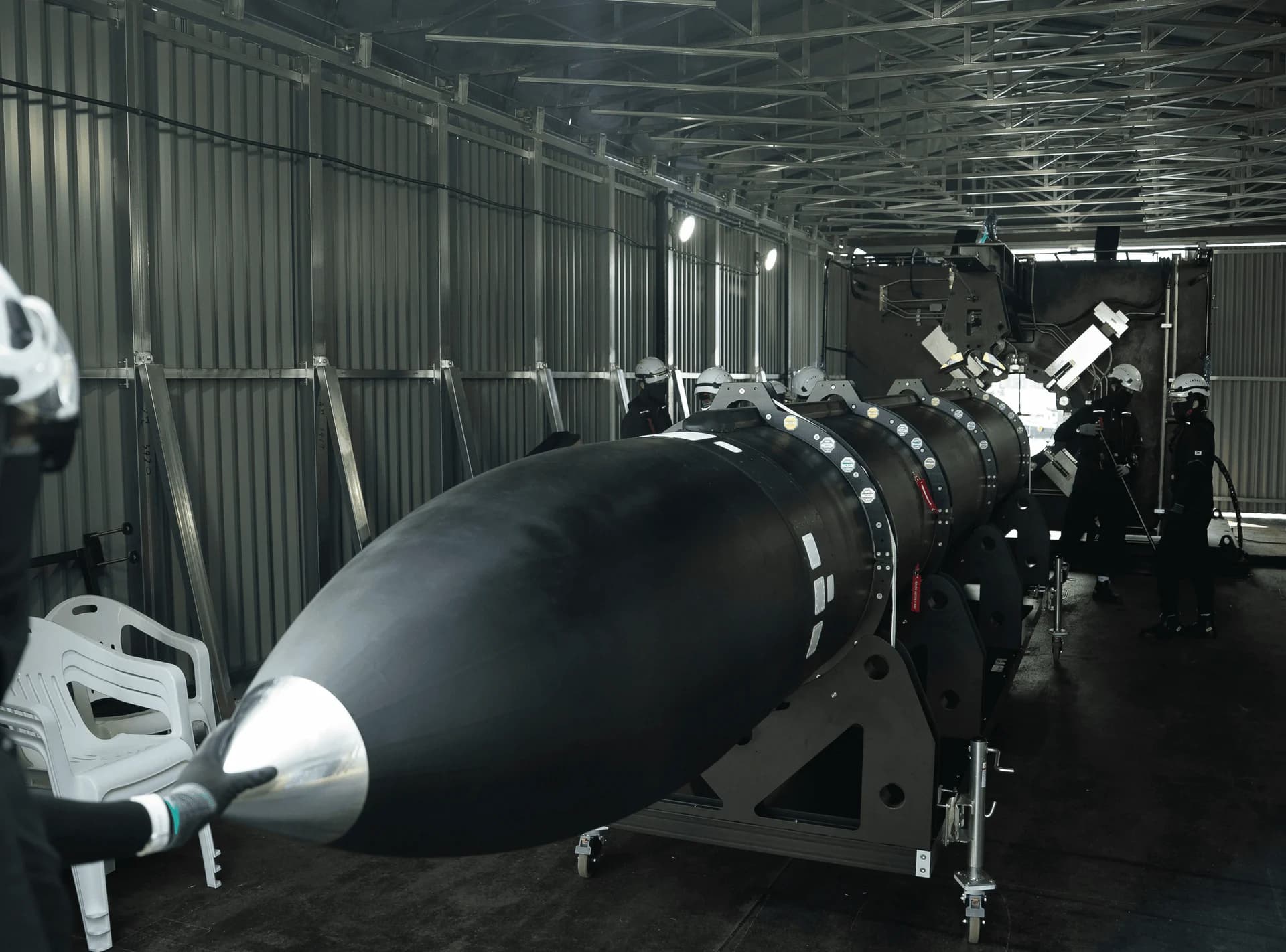
Perigee's history has a real delay at its centre. In 2019 it was targeting a 2020 maiden flight of Blue Whale 1. The orbital vehicle has not acquired a demonstrated service record in the sources reviewed for this article. But Blue Whale 0.1, a small ethanol-and-liquid-oxygen sounding rocket, did fly at Jeju in December 2021. Perigee is not a company that has never launched anything.^[6]^[18]
Its current product family also includes Blue Whale 0.4, a suborbital test vehicle. That matters when reading launch schedules: a BW0.4 test should not be presented as BW1's orbital debut. The advertised BW1 capability is 200 kg to a 500 km sun-synchronous orbit, using nine turbopump-fed methalox engines on the first stage and a pressure-fed upper stage. Those are company specifications, not achieved payload performance.^[6]
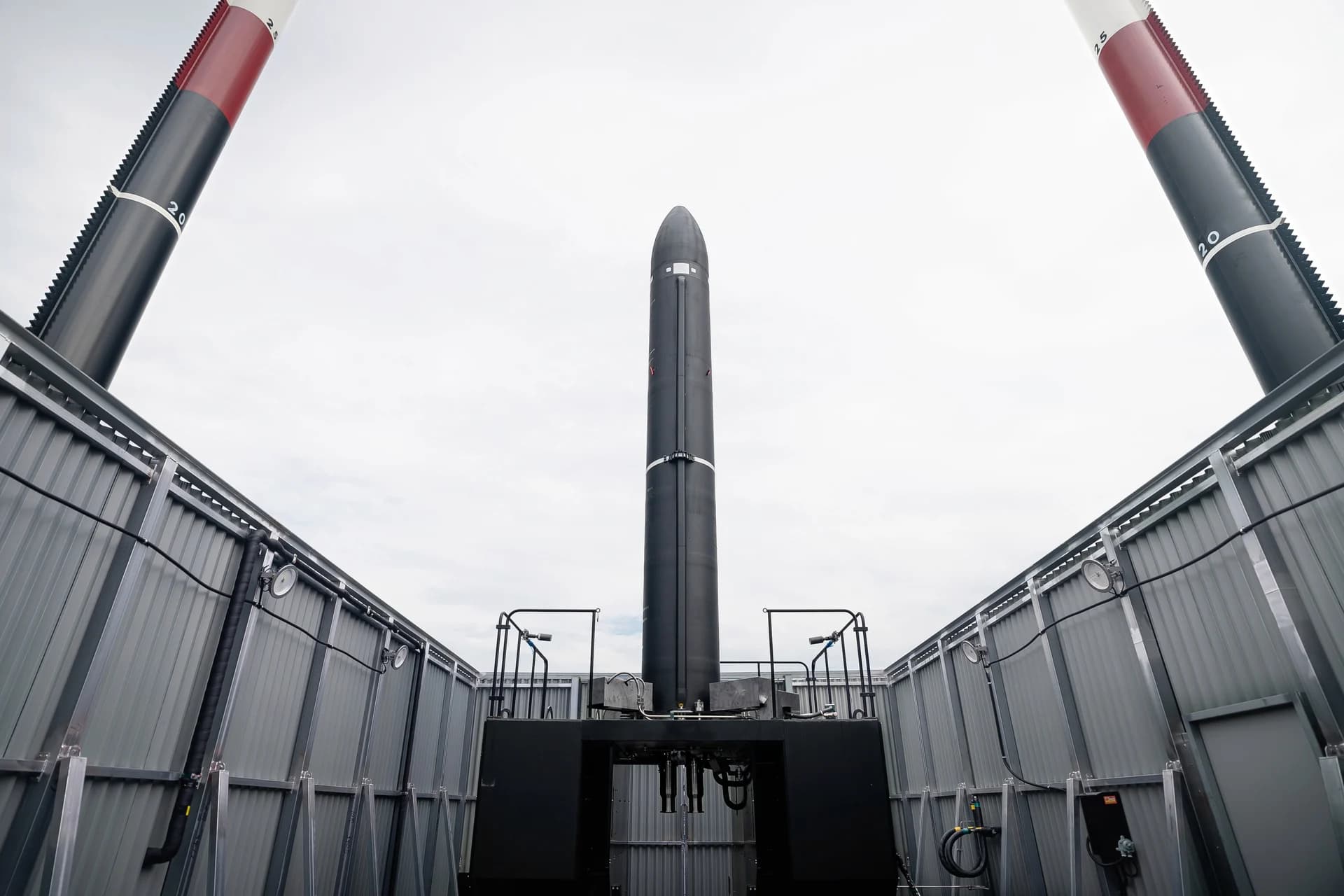
The demanding part is system integration. Engines must behave together; structures must survive coupled loads; the sea-based campaign needs repeatable handling, communications and range procedures. A good engine test retires one class of risk. It leaves several others untouched.
Perigee's Swedish relationship is substantive. SSC identified it alongside Firefly as a future rocket partner for orbital launches from Esrange in its 2024 annual report. Yet an agreement to make a service available does not reveal how many paying payload customers have committed to it.^[19]
The Philippines relationship is equally easy to misread. PhilSA reports a cooperation history beginning in 2022 and training undertaken in Korea in October–November 2025. A further 2026 memorandum involves PhilSA, DICT, CEZA, Ascend International Gateway and Perigee in a framework for rocket-development training and experimental launches. That is a credible technology-services path; the agency announcement does not disclose a priced orbital launch order.^[20]^[21]
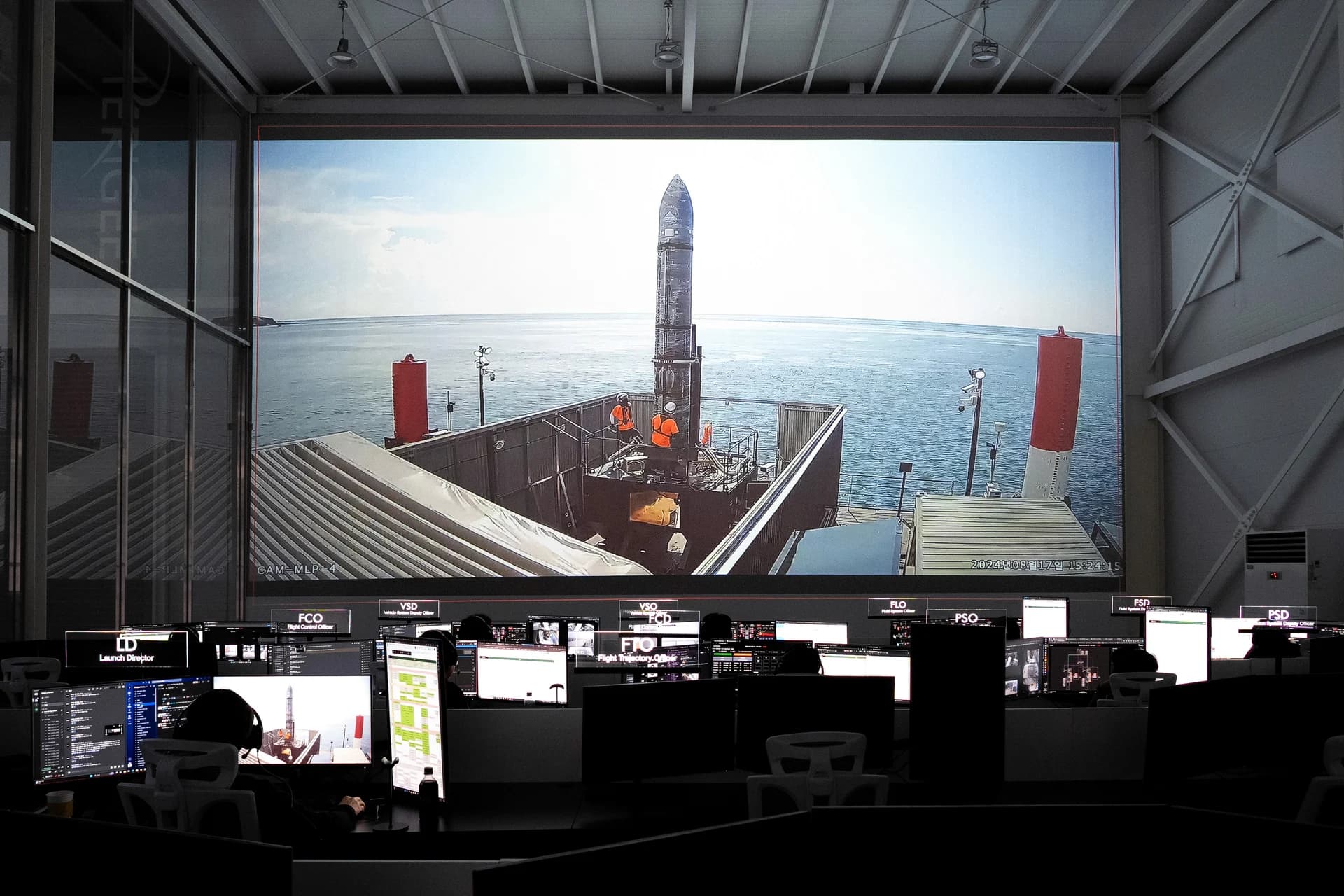
Selling propulsion expertise and training may keep engineering teams employed while BW1 matures. Acquisition by a larger group is another possible outcome. Neither justifies a forecast of imminent insolvency from an old funding total. The milestone that would improve the orbital case is a named integrated-vehicle test with published results, followed by a funded next flight. Another partnership announcement would add much less.
5. Unastella can earn its next step below orbit
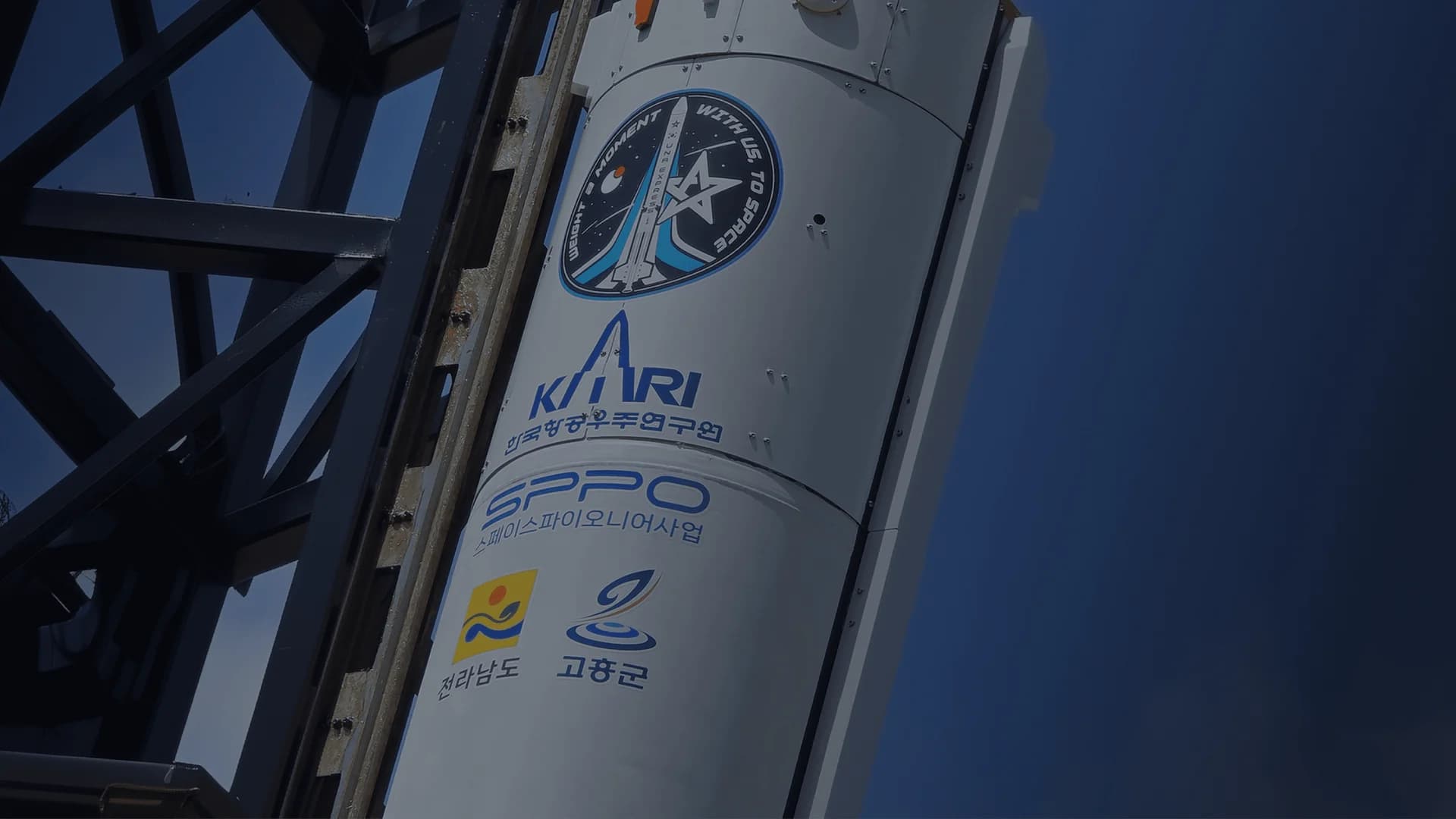
Unastella completed a test flight of UNA EXPRESS-I from its Goheung site on May 28, 2025. Its June 2026 financing announcement put the Series B at ₩33.5 billion, led by Altos Ventures, and total financing at ₩61.5 billion. The flight carried research payloads from five Korean institutions, including KARI and KIMM.^[7]
There is an important technical distinction beneath the company narrative. Unastella develops electric-pump propulsion, but its current EXPRESS-I specification identifies a VOLTA-52P pressure-fed engine using liquid oxygen and Jet A-1. The first flight therefore provides evidence of vehicle integration and domestic operations, not proof that its electric-pump orbital architecture has flown.^[8]
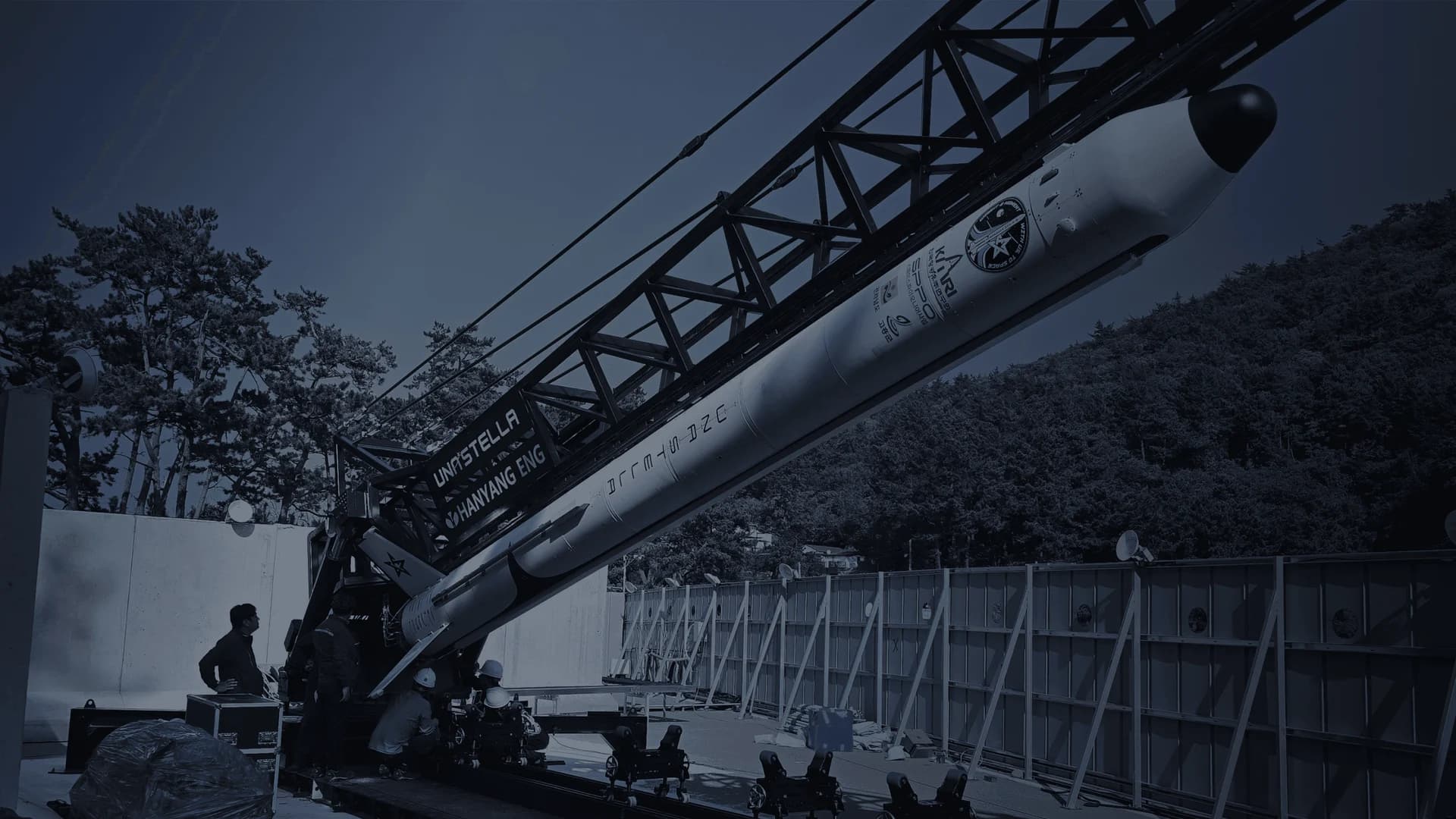
That does not diminish the commercial value of the test. A team that can obtain permissions, integrate outside experiments and operate a launch site has already solved problems customers pay to avoid. A recurring test service could produce revenue and qualification data before the much harder orbital programme is complete.
The company's site markets ARC 100 around 100 km suborbital missions and APEX 400S around a 400 kg-class satellite to 400 km SSO. These service targets describe different businesses. Brief microgravity and atmospheric test work can be sold without the velocity, staging and precision-insertion requirements of orbit.^[8]
EXPRESS-II's reported 2027 target is therefore a useful next gate, not a promised graduation into an orbital launch provider.^[22] Crossing 100 km would strengthen the test-services proposition. An orbital business would still need a separate qualification programme, a flight manifest and financing sized to that programme.
₩61.5 billion is cumulative funding, not current cash. Without expenditure and cash-balance disclosures, it cannot establish either sufficient runway to orbit or certain failure to reach it. The better question is what the next round buys: a repeatable paid service, or another prototype with no buyer attached?
6. Count missions that can actually move
A Korean satellite is not automatically a potential customer for a Korean small launcher. The payload must fit, the destination orbit must be reachable, and the launch slot must match the spacecraft's readiness. An already-contracted mission is not available demand merely because its owner is Korean.
The NEONSAT programme provides the clearest comparison:
Sources: Rocket Lab mission records and KASA's work plan.^[1]^[3]^[23]
This is a mixed purchasing system. It gives Hanwha a powerful position, but it also shows a buyer willing to use foreign rockets when the mission calls for them. A startup has to beat the relevant alternative: a Nuri batch slot for one payload, Electron's delivery record for another, or a rideshare slot for a satellite with a flexible schedule.
K-LEO could increase launch demand substantially. The companion analysis examines the reported 128–512-satellite planning range. That range cannot be converted directly into orders for 90–200 kg launchers: spacecraft mass, batch size, deployment planes and procurement terms determine which vehicle can serve it. A large constellation often favours batch deployment; an urgent replacement satellite may support a dedicated flight. Until those specifications are disclosed, K-LEO is an opportunity to investigate, not a startup backlog to book.
7. What would a viable flight rate look like?
The answer depends on contribution per flight, not a universal minimum of six or twelve launches. Consider an illustrative operator selling a mission for $3 million. That price is an assumption informed by the scale of the disclosed $5.8 million two-mission MBS agreement, not a published Hanbit-Nano tariff. Different vehicles and mission services can command different prices.^[15]
Assume $10 million in annual fixed operating costs and vary the cost incurred for each paid mission. These are sensitivity inputs, not observed company accounts. Per-flight variable cost includes the vehicle, campaign and directly attributable mission work; fixed cost covers the standing organisation and facilities. Development of a new vehicle, debt service, taxes and past investment recovery sit outside this deliberately limited operating model.
The calculation is fixed cost ÷ (price − variable cost), rounded up. Double fixed costs and each required flight count doubles. Cut price to $2.5 million while variable cost remains $2 million, and the middle case needs twenty paid flights. If price does not exceed variable cost, increasing cadence cannot close the operating deficit.
Now suppose a domestic buyer offers two paid missions a year. This is a procurement scenario, not an estimate of Korea's actual market. Those missions contribute $4 million, $2 million or $1 million in the three cases, leaving $6 million, $8 million or $9 million to cover. If each mission has the same economics, the company still needs three, eight or eighteen additional paid flights. In the middle case, domestic orders cover 20% of fixed costs; exports, service income or subsidy must cover the rest.
Reliability changes the arithmetic further. A test flight may cost money without earning the assumed price. A failure may delay the next delivery and trigger rework or contractual remedies. Customer insurance, provider liability and whether a repeat flight earns a second payment depend on the contract; none should be silently assumed away.
This model supports a narrower, more useful conclusion than predicting a fixed number of survivors. A handful of domestic missions can support development, but sustaining an independent orbital operation requires much better unit economics, substantially more orders, or income beyond launch. Innospace is pursuing the additional orders abroad. Perigee and Unastella have credible reasons to cultivate engineering and test services. Their business models need not converge.
8. The state can buy competition in small quantities
KASA's approved 2026 budget is ₩1.1201 trillion, with ₩266.2 billion allocated to space transportation. Its work plan also targets opening private launch facilities in 2027. Infrastructure support reduces a barrier to entry. It does not pay the next mission's bill.^[1]^[24]
There is a strong case for concentrating the main programme. A small national manifest can be spread so thinly that nobody gains a useful production rhythm. Nuri has a real flight record; public payloads have real deadlines. Forcing them onto an immature startup vehicle merely to distribute contracts can destroy more value than it creates.
Korea does not have to choose between handing every payload to Hanwha and dividing the flagship programme among unready competitors. It can procure a small, separate class of demonstrations and responsive missions, with clear mass, orbit, readiness and safety requirements. Qualification milestones can earn limited payments, while successful delivery unlocks the next order. A minimum purchase commitment is valuable only if its conditions and payment schedule are financeable.
The comparison with Japan is useful here. The Japan study describes a gap between generous capability funding and recurring flight demand. Korea's Nuri proposal addresses continuity, but principally for the incumbent vehicle. Both countries need to connect technical support to missions a customer genuinely wants. Subsidising another engine design cannot perform that connection by itself.
The terms to publish are mundane and decisive: annual quantity, eligible payload classes, price ceiling, treatment of failure, and whether a newcomer can qualify after an initial award. Those provisions decide whether a block buy creates room for a second supplier or makes the existing supplier progressively harder to challenge.
9. What would change the judgment
Innospace needs Hanbit-Nano to complete its reflight, then move from its own test payload to repeat customer deliveries. The November 2026 target is the nearest visible gate; sustained cadence is the larger one.
Perigee needs an identified integrated-vehicle campaign and results that clearly distinguish BW0.4 from BW1. A funded follow-on flight would matter more than another broad memorandum. Unastella needs to turn domestic suborbital capability into recurring paid work and demonstrate the next propulsion and vehicle configuration on its own merits.
For Hanwha, watch KSLV-III's methane-engine qualification and the eventual Nuri procurement prices. Producing a national launcher and reducing its cost over successive flights are separate achievements. K-LEO's payload specifications and launch tenders will determine how much of its demand favours batch launch and whether any dedicated small-launch niche remains.
The thesis would weaken if Korean startups won recurring domestic orders with enough contribution to cover a meaningful share of standing costs. It would strengthen if procurement expanded Nuri's manifest while startup support remained concentrated in facilities and development grants. A press release about national ambition settles neither question.
10. Singapore should evaluate the mission, not the flag
For an Asia-Pacific satellite operator, a Korean supplier's Brazilian launch base can widen the available choice. It does not remove export-control, integration, shipping, range or insurance work. Innospace's mention of Singapore among its sales prospects is evidence of commercial interest, not a signed Singaporean customer or a guaranteed diplomatic shortcut.^[14]
A useful comparison starts with the required orbit and delivery window, then adds payload integration, transport, delay exposure, insurance and the cost of a failed mission. A cheap flight that postpones the satellite's revenue by a year may be the expensive option. A dedicated flight can be worth a premium when a constellation plane or a customer's contract cannot wait for rideshare.
Singapore's credible opportunity is in payloads, mission engineering, satellite operations and financial assessment of those risks. Korean partnerships can support those activities where there is a named requirement; nationality alone creates no margin. Hanwha's foreign technology partnerships and Perigee's training work show that commercial relationships can develop below the level of buying an entire rocket.^[13]^[25]^[20]
Korea is building the foundations of a durable national launch industry. A competitive small-launch industry will need something more specific: missions the startups can technically serve, customers who will pay, and enough contribution left after each flight to build the next one.
All data are from public sources. Analysis represents the author's independent views and is not investment advice. Singapore Space Agency is a private, independent research platform and does not represent any government. Photographs remain the property of their credited sources.
Sources26 entries with source notes and links
- KASA: 2026 work plan(kasa.go.kr)
Primary disclosure; reported targets are not independent performance verification. A-grade source. Retrieved 2026-09-20.
Primary disclosure; reported targets are not independent performance verification. A-grade source. Retrieved 2026-09-20.
- Rocket Lab: NEONSAT-1A mission success, January 2026(investors.rocketlabcorp.com)
Primary disclosure; reported targets are not independent performance verification. A-grade source. Retrieved 2026-09-20.
Primary disclosure; reported targets are not independent performance verification. A-grade source. Retrieved 2026-09-20.
- INNOSPACE: SEBIT early termination, August 20, 2026(innospc.com)
Primary disclosure; reported targets are not independent performance verification. A-grade source. Retrieved 2026-09-20.
Primary disclosure; reported targets are not independent performance verification. A-grade source. Retrieved 2026-09-20.
- Unastella: Series B financing and domestic test flight(unastella.com)
Primary disclosure; reported targets are not independent performance verification. A-grade source. Retrieved 2026-09-20.
- Unastella: EXPRESS-I propulsion and service targets(unastella.com)
Primary disclosure; reported targets are not independent performance verification. A-grade source. Retrieved 2026-09-20.
- KASA: successful fourth Nuri launch(kasa.go.kr)
Primary disclosure; reported targets are not independent performance verification. A-grade source. Retrieved 2026-09-20.
- Hanwha Aerospace: Nuri industrial role(hanwha.com)
Primary disclosure; reported targets are not independent performance verification. A-grade source. Retrieved 2026-09-20.
Budget follows Korean original: ₩2조 2,920.9억 = ₩2.29209T; English mirror contains an inconsistent total. A-grade source. Retrieved 2026-09-20.
- KBS: Hanwha announces ₩55 trillion space and AI investment plan(world.kbs.co.kr)
Independent reporting; company statements retain attribution. B-grade source. Retrieved 2026-09-20.
Primary disclosure; reported targets are not independent performance verification. A-grade source. Retrieved 2026-09-20.
- KED Global: Innospace IPO and disclosed overseas contracts(kedglobal.com)
Independent reporting; company statements retain attribution. B-grade source. Retrieved 2026-09-20.
- INNOSPACE: $5.8 million MBS two-mission agreement(linkedin.com)
Primary disclosure; reported targets are not independent performance verification. A-grade source. Retrieved 2026-09-20.
- INNOSPACE: successful Hanbit-TLV test, March 2023(innospc.com)
Primary disclosure; reported targets are not independent performance verification. A-grade source. Retrieved 2026-09-20.
- Dong-A Science: November 2026 Hanbit-Nano reflight target(dongascience.com)
July 22, 2026 schedule reporting; the English page is machine-translated. November remains a conditional target. B-grade source. Retrieved 2026-09-20.
- SpaceNews: Perigee original 2020 maiden-flight target(spacenews.com)
Independent reporting; company statements retain attribution. B-grade source. Retrieved 2026-09-20.
- SSC: Annual and Sustainability Report 2024(sscspace.com)
Primary disclosure; reported targets are not independent performance verification. A-grade source. Retrieved 2026-09-20.
- PhilSA: small-launch-vehicle training with Perigee(philsa.gov.ph)
Primary disclosure; reported targets are not independent performance verification. A-grade source. Retrieved 2026-09-20.
- PhilSA: rocket-development and experimental-launch framework(philsa.gov.ph)
Primary disclosure; reported targets are not independent performance verification. A-grade source. Retrieved 2026-09-20.
- TechCrunch: Unastella financing and development roadmap(techcrunch.com)
Independent reporting; company statements retain attribution. B-grade source. Retrieved 2026-09-20.
- Rocket Lab: Beginning of the Swarm, April 2024(rocketlabcorp.com)
Primary disclosure; reported targets are not independent performance verification. A-grade source. Retrieved 2026-09-20.
- KASA: approved 2026 budget(kasa.go.kr)
Primary disclosure; reported targets are not independent performance verification. A-grade source. Retrieved 2026-09-20.
Primary disclosure; reported targets are not independent performance verification. A-grade source. Retrieved 2026-09-20.
Corporate announcement; no flight purchase disclosed. A-grade source. Retrieved 2026-09-20.
Continue reading
23 Aug 2026 · 59 min read
South Korea LEO 2026: Open Now, Build Later
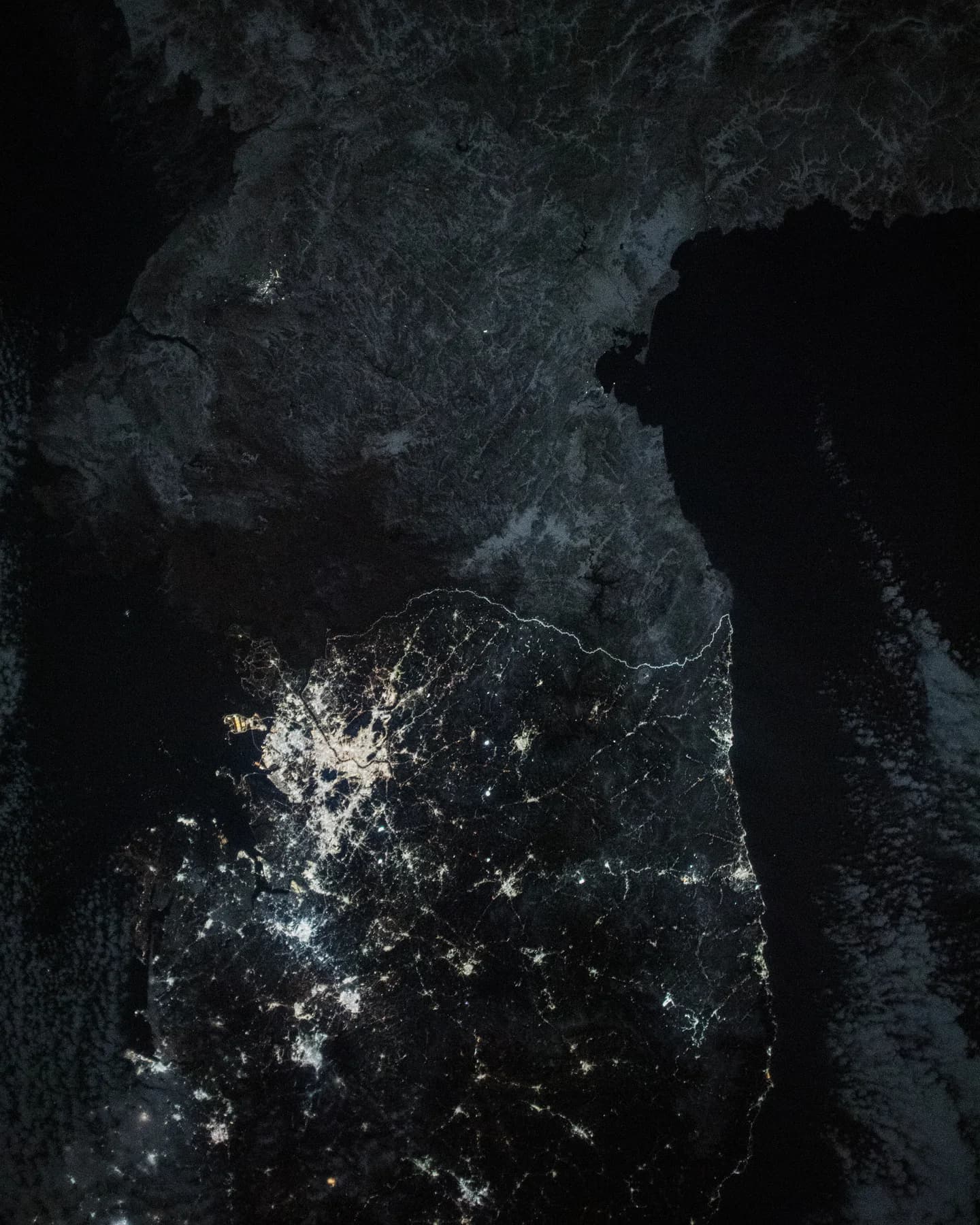
Korea opened the market to Starlink and OneWeb, then committed to a sovereign constellation whose defense case is far stronger than its commercial one.
12 Jul 2026 · 51 min read
Japan's Launch-Startup Tier: Real Rockets, Borrowed Engines, and a Market the State Forgot to Build
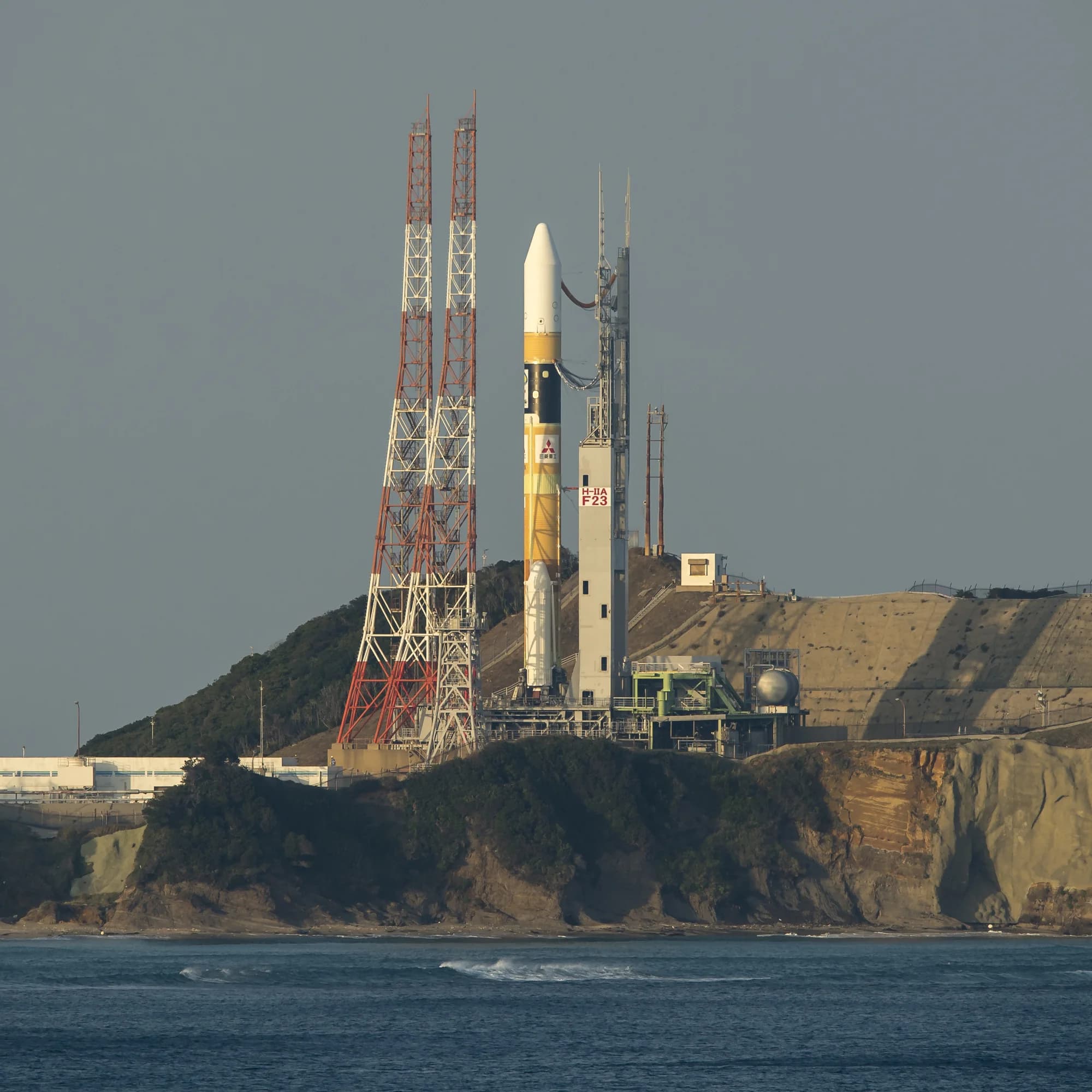
Japan has funded an unusually capable launch-startup tier while allowing its commercial manifest to flow abroad; capability grants cannot substitute for a repeat customer.
12 Jul 2026 · 56 min read
The Long March Paradox: China Is Selling Launch Capacity Abroad While Guowang and Qianfan Starve for It
China's exportable launch surplus and its megaconstellation bottleneck sit on different production lines; the real constraint is non-fungible medium lift and missing vertical integration.